


Forest management is one of the central issues in the debate on sustainability and ecological transition. In a country like Italy, characterized by a constantly growing forest heritage, it is essential to recognize the strategic value of forest resources and understand their potential in environmental, economic, and social terms.
Over the last seventy years, Italian forest biomass has grown by 44%. This figure is not only a snapshot of the natural evolution of forests, but also the result of more careful and conscious management practices, which have radically changed the appearance of the landscape and opened up new development prospects for the wood industry.
The growth of Italian forests
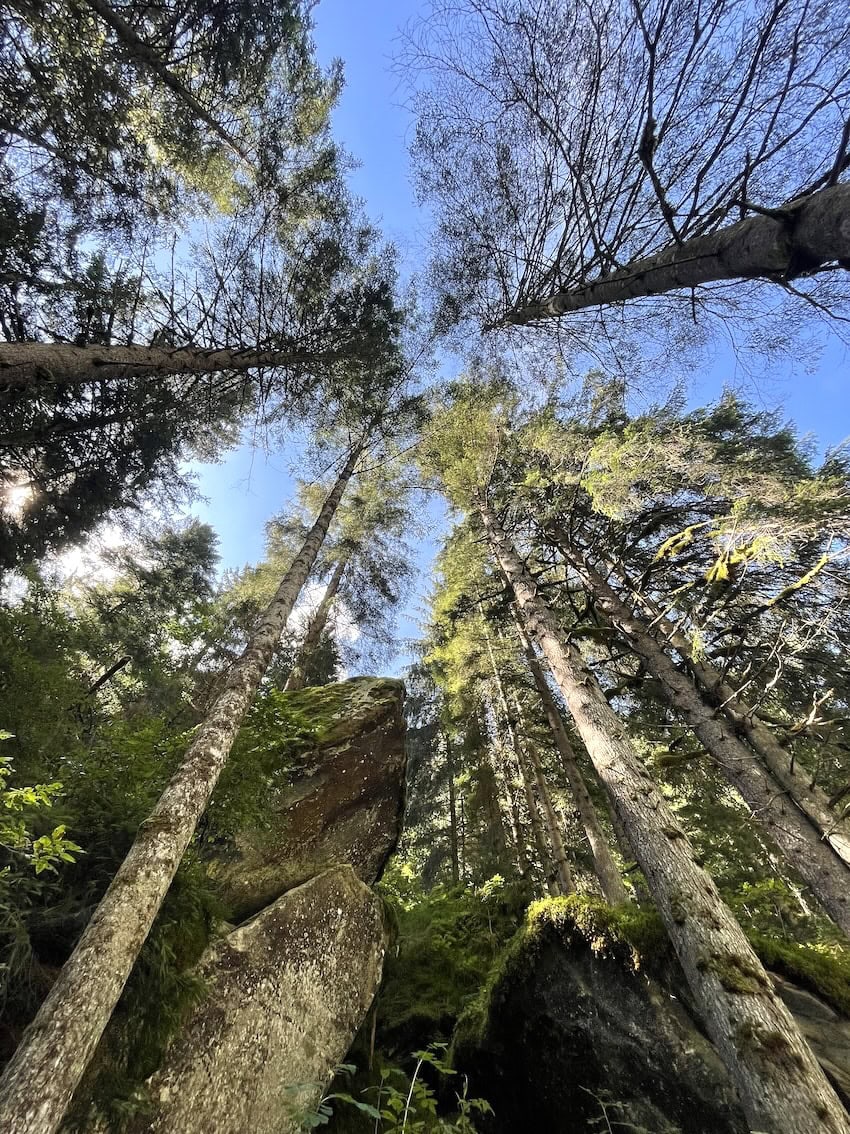
Over the last century, the national forest heritage has undergone a remarkable evolution. Previously, Alpine forests were exploited intensively, often without long-term management plans, and pressure from demand for timber and agricultural expansion led to massive logging, resulting in a landscape rich in meadows and poor in woodland.
Today, the picture is completely different. In Alpine areas, for example, less than half the number of trees are felled than 150 years ago. This change has been brought about both by a reduction in human pressure and by the adoption of more responsible forestry models that reconcile production needs with ecosystem conservation.
The result is a growing forest heritage, with more mature forests, larger tree trunks, and a more balanced ecological structure.
Sustainable forestry
Modern forestry is not limited to simply harvesting timber, but is based on an integrated vision that takes into account forest regeneration, biodiversity conservation, and climate change mitigation.
The fundamental principles of proper forest management include:
- Renewability: each cut must be planned according to the forest’s capacity to regenerate.
- Selection: not all trees are felled. On the contrary, priority is given to targeted harvesting, which promotes the growth of stronger and healthier specimens.
- Ecological balance: forestry practices must maintain species diversity and the proper functioning of the ecosystem.
- Multifunctional use: forests are not only a source of wood, but also play an essential role in soil protection, water cycle regulation, and CO₂ capture.
This approach offers numerous advantages. From an environmental perspective, better-managed forests ensure greater hydrogeological stability, reduce the risk of landslides and flooding, and contribute to the fight against climate change. From an economic perspective, they provide higher-quality timber that is also suitable for high-end industrial applications.
The evolution of wood: from raw material to strategic resource
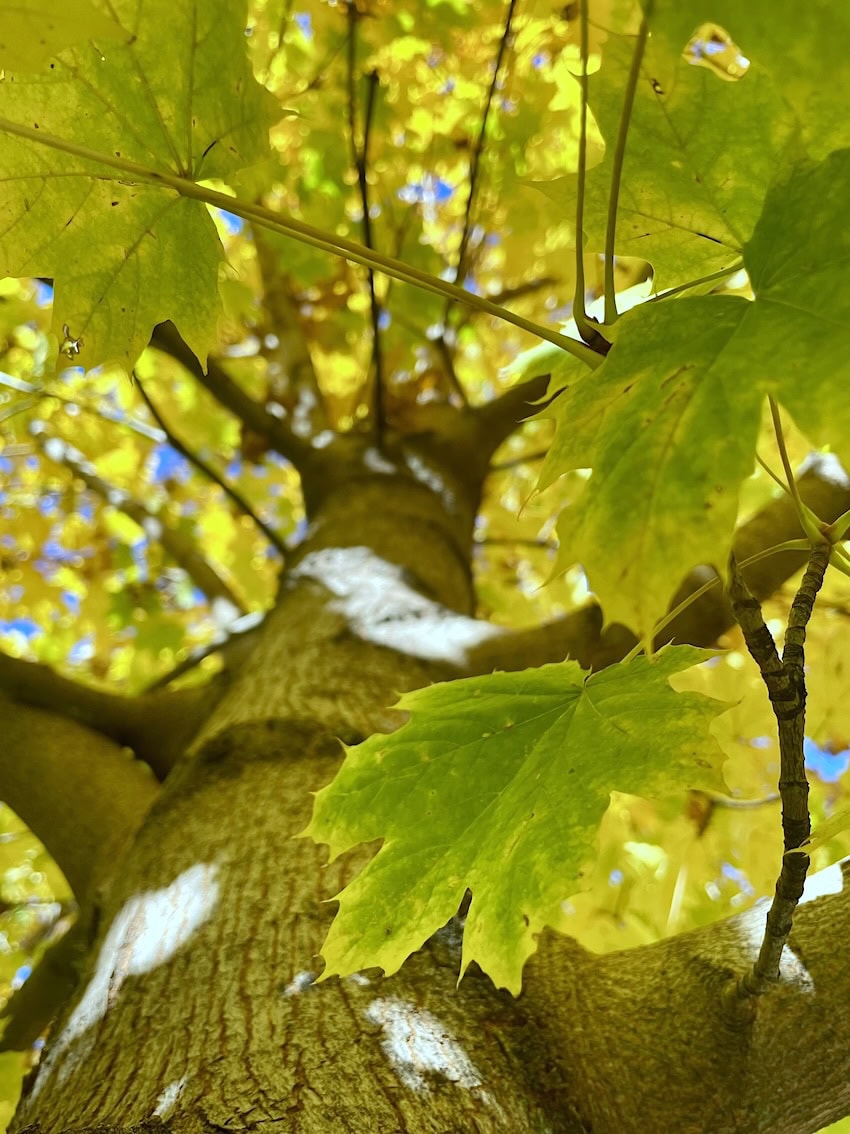
One of the most visible effects of current forest management is the increase in trunk diameters and the production of healthy, compact, and resistant wood. This type of wood lends itself to numerous uses, from sustainable construction to the production of furniture and high-quality manufactured goods. The growing demand for ecological, recyclable, and low environmental impact materials makes wood a strategic resource for the coming decades.
The wood industry, which uses a renewable and eco-sustainable material, can become a driver of development for local economies, especially in mountain areas, if it is well integrated with responsible forestry practices. The promotion of short supply chains, certification of origin, and the promotion of products made in Italy are fundamental tools for strengthening the competitiveness of the sector and generating employment.
Wood as an ally against climate change
A crucial aspect concerns the ability of forests to absorb carbon dioxide and thus contribute to mitigating the effects of climate change. Larger, mature trees have a greater capacity to store CO₂, transforming forests into veritable natural carbon reservoirs.
In this sense, sustainable forest management is not only an economic or environmental practice, but a strategic investment for the future of the planet. Every cubic meter of wood used to replace carbon-intensive materials such as concrete or steel represents a concrete contribution to reducing global emissions.
The growth in forest biomass over the last seventy years is an encouraging sign and shows that conscious resource management can produce tangible benefits.
Italian forests are not only a heritage to be preserved, but also a living resource capable of regenerating itself and offering new opportunities. Italian forests are not only a heritage to be preserved, but also a living resource capable of regenerating itself and offering new opportunities. Wood grows back: its availability is renewable, provided it is managed responsibly.
Investing in sustainable forestry means investing in a future where the environment, economy, and society can grow together, in a spirit of balance and foresight.
Wood, the raw material for Imex frame mouldings

For Imex, wood is much more than just a raw material: it is the element that gives shape and value to our frame mouldings and other items we manufacture. Its versatility allows us to offer collections of frame profiles that combine solidity, elegance, and creative possibilities, becoming the basis for products that meet the needs of professionals and enthusiasts in the sector.
We work with wood using established techniques and know-how rooted in Italian manufacturing tradition, now enriched by modern industrial processes that guarantee consistent quality and precision. Each Imex frame molding is designed to be not only a support, but an element that enhances the framed work, bringing out its best features.
Thanks to responsible supply chain management and meticulous production, our products represent the perfect combination of aesthetics, functionality, and reliability. This is how wood becomes, in the hands of Imex, the basis for solutions that combine design, innovation, and Italian craftsmanship.